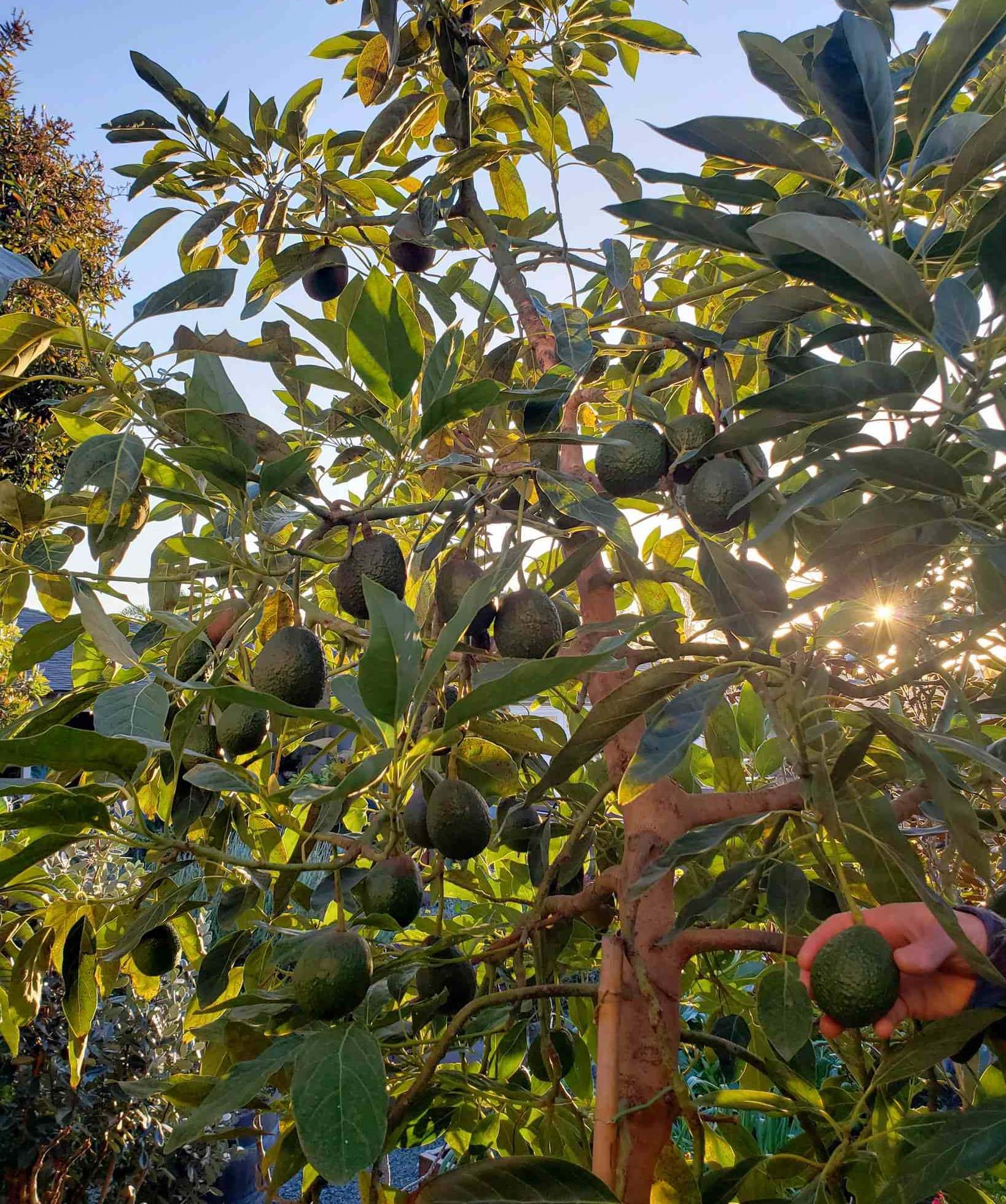
Imagine stepping into your backyard in the heart of Orlando, where the humid Florida air hums with the promise of fresh guacamole, silky smoothies, or a simple slice of creamy avocado on toast—year-round. In Central Florida’s subtropical climate (USDA Zone 9b), avocados aren’t just a trendy superfood; they’re a cornerstone of edible landscaping. These lush, evergreen trees provide shade, attract pollinators with their subtle blooms, and turn your yard into a productive paradise. But with occasional winter chills dipping into the low 20s°F, success hinges on selecting cold-hardy varieties that stagger their harvests.
At Edible Earthscapes, we believe in designing landscapes that feed both body and soul. Today, we’re diving into a strategic planting plan using three standout varieties: Brogdon for scorching summer yields, Oro Negro to bridge the fall gap, and Super Hass for a late-fall bounty that extends into winter. By planting these in a mixed grove, you can harvest creamy, homegrown avocados from June through December (and beyond with careful picking). Let’s explore how to make this happen in your Orlando oasis.
Why Avocados Thrive in Orlando’s Edible Earthscapes
Orlando’s sandy soils, abundant rainfall, and full-sun exposure make it prime avocado territory—provided you prioritize well-drained sites and frost protection for young trees. These Mexican-Guatemalan hybrids are more resilient than tropical West Indian types, tolerating dips to 22-25°F once established. A single mature tree (15-30 feet tall) can yield 100-200 pounds of fruit annually, but the real magic? Staggered varieties ensure no feast-or-famine cycles.
Key perks for your landscape:
- Aesthetic appeal: Glossy leaves and textured bark create year-round greenery; pair with understory edibles like blueberries or herbs for layers.
- Sustainability: Avocados sequester carbon, support biodiversity, and require minimal inputs once rooted.
- Health boost: Packed with healthy fats, fiber, and potassium—perfect for Florida’s farm-to-table vibe.
Plant in spring (March-May) for root establishment before summer rains. Space trees 15-20 feet apart in full sun, amending heavy clay with organic matter for drainage. Mulch heavily to retain moisture, and use frost cloth during rare cold snaps.
Spotlight on Summer: Brogdon Avocado – Your Heat-Tolerant Star
Kick off the season with Brogdon, a Florida-bred powerhouse discovered in the 1930s from a backyard seedling in Winter Haven. This Mexican-West Indian hybrid is a cold-hardy champ, shrugging off 22°F winters while pumping out fruit during Orlando’s steamy summers.
- Harvest Window: July to September—perfect for beating the heat with fresh picks.
- Fruit Profile: Pear-shaped beauties (8-14 oz.) with thin, glossy purple-black skin that peels effortlessly. The flesh? Rich, nutty, and buttery, rivaling Hass but with a tropical twist. High oil content (15-20%) makes it guac gold.
- Tree Traits: Grows 20-30 feet tall, bushy and vigorous. B-type flowers self-pollinate well, but a nearby A-type boosts yields.
- Orlando Tips: Thrives in our Zone 9b; plant on a south-facing slope for warmth. Expect first fruits in 2-3 years from a grafted tree.
In an edible earthscape, Brogdon anchors a sunny corner, its summer shade cooling hammocks below. Pro tip: Harvest when skin darkens and fruit yields slightly—let them ripen off-tree for peak creaminess.
Bridging Fall: Oro Negro Avocado – The “Black Gold” Transition
As summer fades, Oro Negro (Spanish for “black gold”) steps in like a velvet curtain, delivering fall harvests that light up Orlando’s cooler evenings. Originating from a Homestead grove in 1989, this complex hybrid (likely Monroe x Mexican) is a rising star for its disease resistance and shelf life.
- Harvest Window: September to November—ideal for tailgating season salads or Thanksgiving toasts.
- Fruit Profile: Oval orbs (1-2 lbs.) with shiny, pebbly black skin that’s tough against scab and anthracnose. Inside, buttery yellow-green flesh with a nutty depth and minimal fiber—think Hass meets Florida lushness.
- Tree Traits: Compact (15-25 feet), rounded form with medium vigor. B-type flowers; cold-tolerant to 25°F.
- Orlando Tips: Loves our humid falls; graft on Lula rootstock for wet-soil resilience. Fruits in 2-3 years, with consistent production once mature.
Design-wise, Oro Negro fits urban lots, its dark fruit popping against citrus underplantings. Pick when skin turns jet-black and detaches easily—store extras in the fridge for weeks.
Late Fall Magic: Super Hass Avocado – Extended Indulgence
Cap your year with Super Hass (aka “Ooh La La”), a Hass seedling from Louisiana that’s been fine-tuned for Florida’s mugginess. Larger than its California parent, it dodges the uneven ripening woes that plague standard Hass here, ensuring reliable late-season joy.
- Harvest Window: October to December—stretches into holiday feasts, overlapping Oro Negro for seamless supply.
- Fruit Profile: Elongated pears (10-16 oz., up to 2x Hass size) with pebbly green-to-black skin. Creamy, nutty flesh with 18% oil—grocers’ dream for its long hang-time on the tree.
- Tree Traits: 20-30 feet, upright and productive. A-type flowers; hardy to 24°F, better than true Hass in humidity.
- Orlando Tips: Suited to Central Florida’s variable winters; protect juveniles with microclimates (e.g., near a south wall). Fruits reliably in 3-4 years.
In your earthscape, Super Hass crowns a pollinator pathway, its blooms drawing bees amid fall asters. Harvest progressively—test by clipping one; if it ripens evenly in 3-7 days, the rest are ready.
Building Your Year-Round Avocado Grove: A Simple Plan
To achieve true year-round potential (June-March with overlaps), plant a trio like this:
- Brogdon (summer anchor): 1 tree for 50-100 lbs.
- Oro Negro (fall bridge): 1 tree for steady midsize yields.
- Super Hass (late extender): 1 tree for premium, larger fruits.
Total space: A 30×30-foot plot yields 300+ lbs. annually once mature (5-7 years). Mix in companions like dwarf citrus or passionfruit vines for vertical interest. Water deeply but infrequently (1-2 inches/week), fertilize with 6-6-6 in spring/summer, and prune post-harvest to shape.
| Variety | Harvest Season | Fruit Size | Cold Hardiness | Flavor Notes | Tree Size |
|---|---|---|---|---|---|
| Brogdon | Jul-Sep | 8-14 oz. | 22°F | Nutty, buttery Hass-like | 20-30 ft. |
| Oro Negro | Sep-Nov | 1-2 lbs. | 25°F | Creamy, rich tropical | 15-25 ft. |
| Super Hass | Oct-Dec | 10-16 oz. | 24°F | Oily, nutty premium | 20-30 ft. |
Overcoming Orlando Challenges: Pests, Diseases, and Care Hacks
Florida’s laurel wilt and root rot lurk, but these varieties’ resistance keeps risks low. Scout for borers; use copper fungicide sparingly. In our sandy soils, raised beds prevent waterlogging—aim for pH 6-7.
For edibles-first design: Integrate rain gardens around trees to capture runoff, turning your yard into a resilient, water-wise haven.
Savor the Harvest: Recipes to Celebrate Your Grove
- Summer Brogdon Guac: Mash with lime, cilantro, and grilled corn—pairs with Orlando’s craft brews.
- Oro Negro Fall Toast: Top sourdough with sliced fruit, goat cheese, and pomegranate for a seasonal crunch.
- Super Hass Holiday Salsa: Blend with mango and jalapeño for festive flair.
Ready to Plant Your Edible Legacy?
In Orlando, avocados aren’t just trees—they’re the heartbeat of a thriving, tasty landscape. Start with grafted saplings from local nurseries (like UF/IFAS-recommended sources) and watch your earthscape evolve. Questions on site prep or custom designs? Drop us a line at Edible Earthscapes—we’re here to help you grow greener.
What’s your first harvest dream? Share in the comments below. Happy planting, Florida friends!
Sources: University of Florida IFAS Extension (edis.ifas.ufl.edu), Tropical Fruit Forum, and grower reports from Central Florida orchards.